What Are the Four Types of Metal Tubing?
Unraveling the Diversity in Metal Tubing
1. Which metals are commonly used in metal tubing?
Metal tubing comes in various materials, with some of the most common being stainless steel, aluminum, copper, and carbon steel. Each metal brings unique properties that make it suitable for specific applications.
2. What are the different shapes and sizes of metal tubing available?
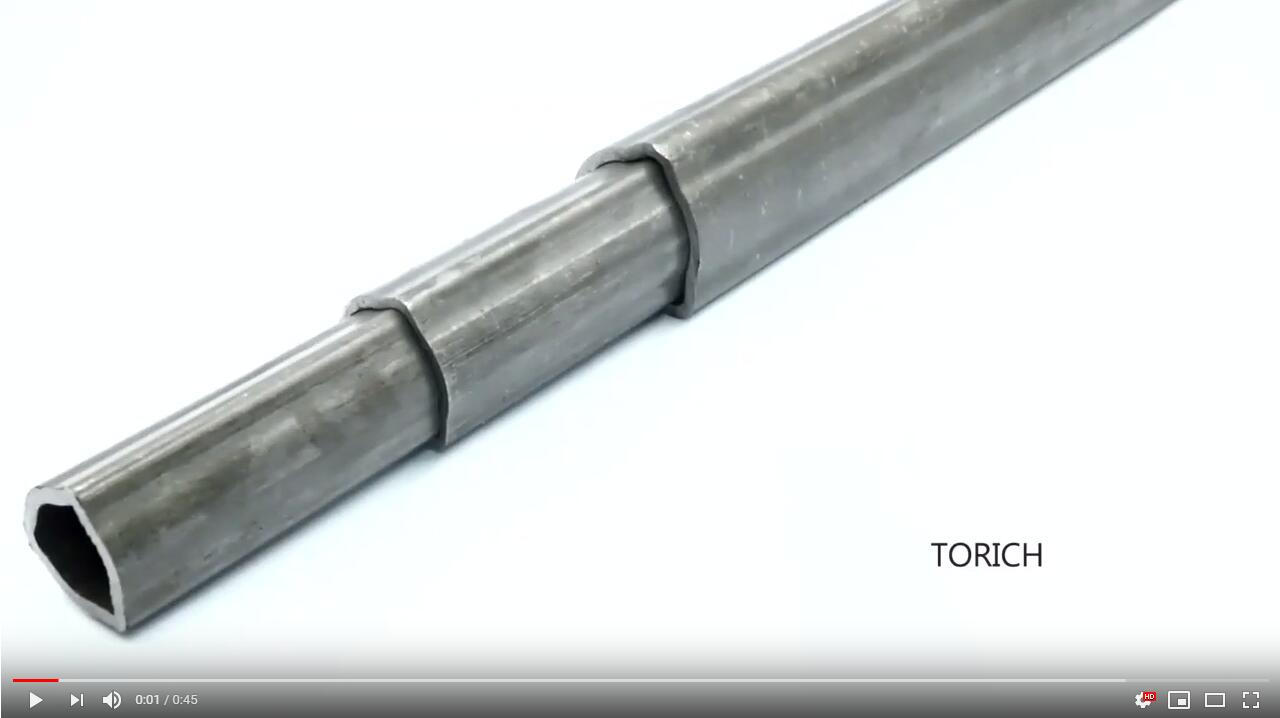
Metal tubing is not one-size-fits-all. It is manufactured in a range of shapes and sizes, including round, square, and rectangular profiles. The diversity in dimensions caters to the varied needs of industries, offering flexibility in design and application.
3. How does the manufacturing process differ for each type of metal tubing?
The manufacturing process significantly varies depending on the metal used. Processes such as seamless or welded construction, extrusion, and drawing are employed, impacting the tubing's structural integrity and surface finish. Understanding these processes is crucial for choosing the right type of tubing for specific applications.
Exploring the Four Types of Metal Tubing
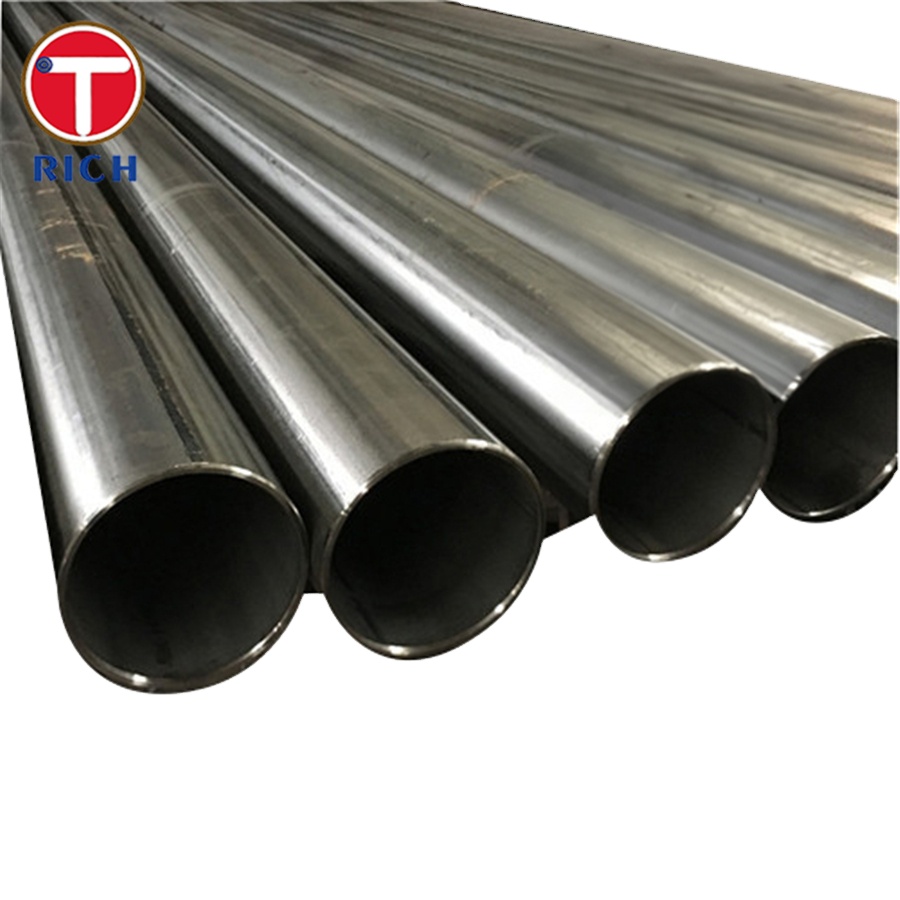
Metal tubing is a versatile solution widely employed in diverse industries, from construction to automotive and aerospace. The four primary types of metal tubing - stainless steel, aluminum, copper, and carbon steel - each offer unique characteristics that determine their utility.
1. Stainless Steel Tubing:
Properties: Resistant to corrosion, temperature variations, and chemicals. Applications: Commonly used in construction, automotive, and food processing industries.
2. Aluminum Tubing:
Properties: Lightweight, corrosion-resistant, and an excellent conductor of heat. Applications: Widely utilized in aviation, automotive, and electrical applications.
3. Copper Tubing:
Properties: High thermal conductivity, corrosion resistance, and malleability. Applications: Often used in plumbing, HVAC systems, and electrical wiring.
4. Carbon Steel Tubing:
Properties: Durable, strong, and suitable for high-pressure applications. Applications: Commonly found in structural and industrial settings.
Conclusion:
In conclusion, the diversity in metal tubing materials provides engineers and designers with a spectrum of options to meet specific requirements. Stainless steel, aluminum, copper, and carbon steel tubing cater to a wide array of applications, showcasing the importance of understanding their unique properties and manufacturing processes. Whether it's the need for corrosion resistance, lightweight design, thermal conductivity, or structural strength, the four types of metal tubing offer solutions that play pivotal roles in shaping various industries.