Who We are ?
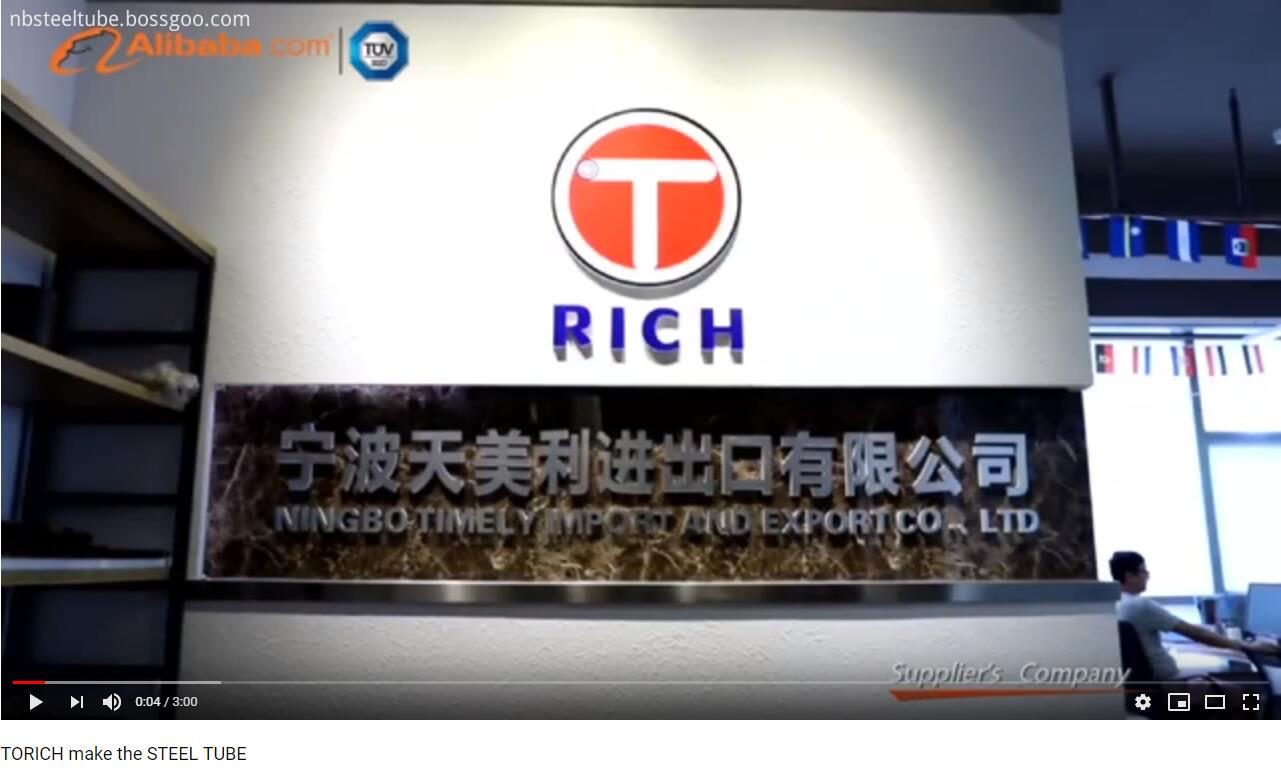
-------A professional steel pipes materials inventor, manufacturer and solution provider Torich Interational Limited is a professional manufacturer and exporter of steel pipes materials.
It is an international marketing and sales company specialized in steel tubes, which holds the factories of Seamless Steel Tubes with Carbon and Alloy Steel Grade, Welded Precision Steel Tubes,DOM Steel Tubes, Seamless & Welded Stainless Steel Tubes with Nickel and Alloy Steel Grade.
Our factory was established since 1997, with the name of Haiyan Sanxin Steel Pipe Co., Ltd. The factories` technicians are of great engineering experience in steel pipe industry for more than 20 years, which are in great command of production technology for Cold Drawing and Cold Rolling. So we have strong technician team and manufacturing capability.
https://www.youtube.com/watch?v=BrpX5A6Ol0E
What products we do?
------- Invent and produce various Precision Steel Pipes Our steel pipes cover the following ranges:
Seamless Precision Steel Pipes
Welded Precision Steel Pipes, with DOM production
Seamless Heat Exchanger Steel Pipe
Seamless Boiler Steel Pipes
Seamless Structural Steel Pipes
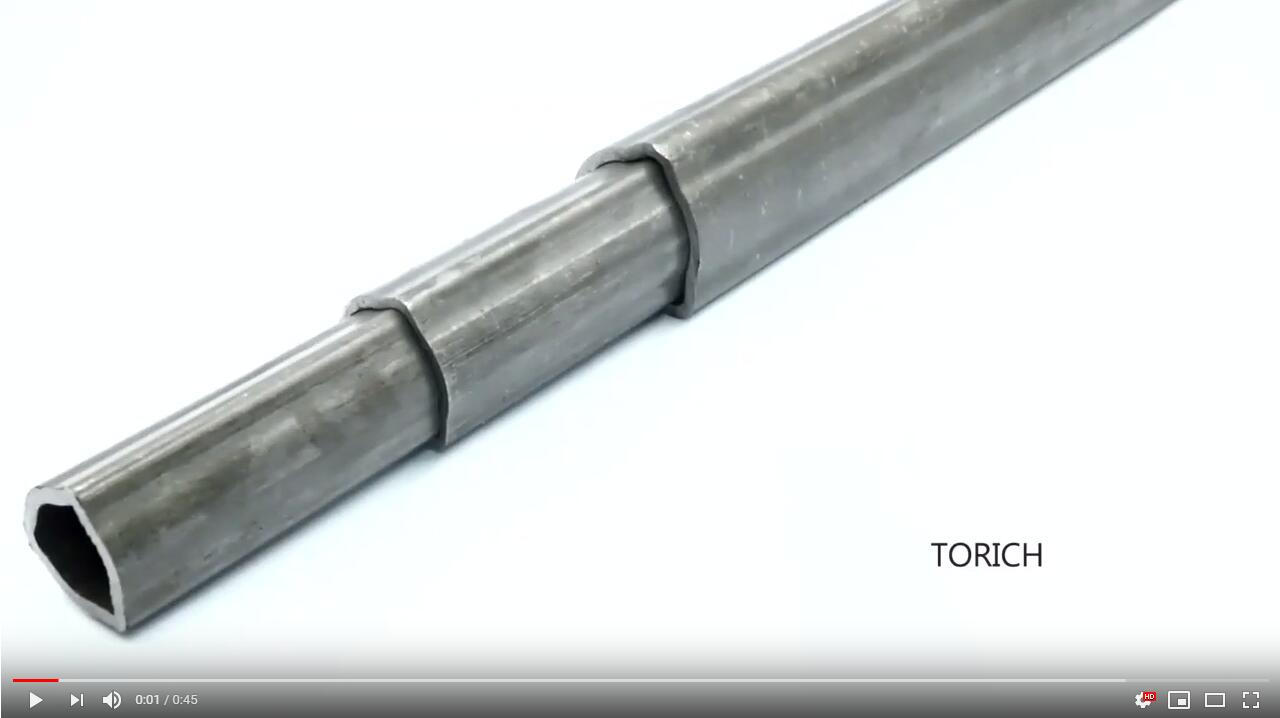
Seamless Mechanical Steel Pipes
Seamless Alloy Steel Tubes & Pipes
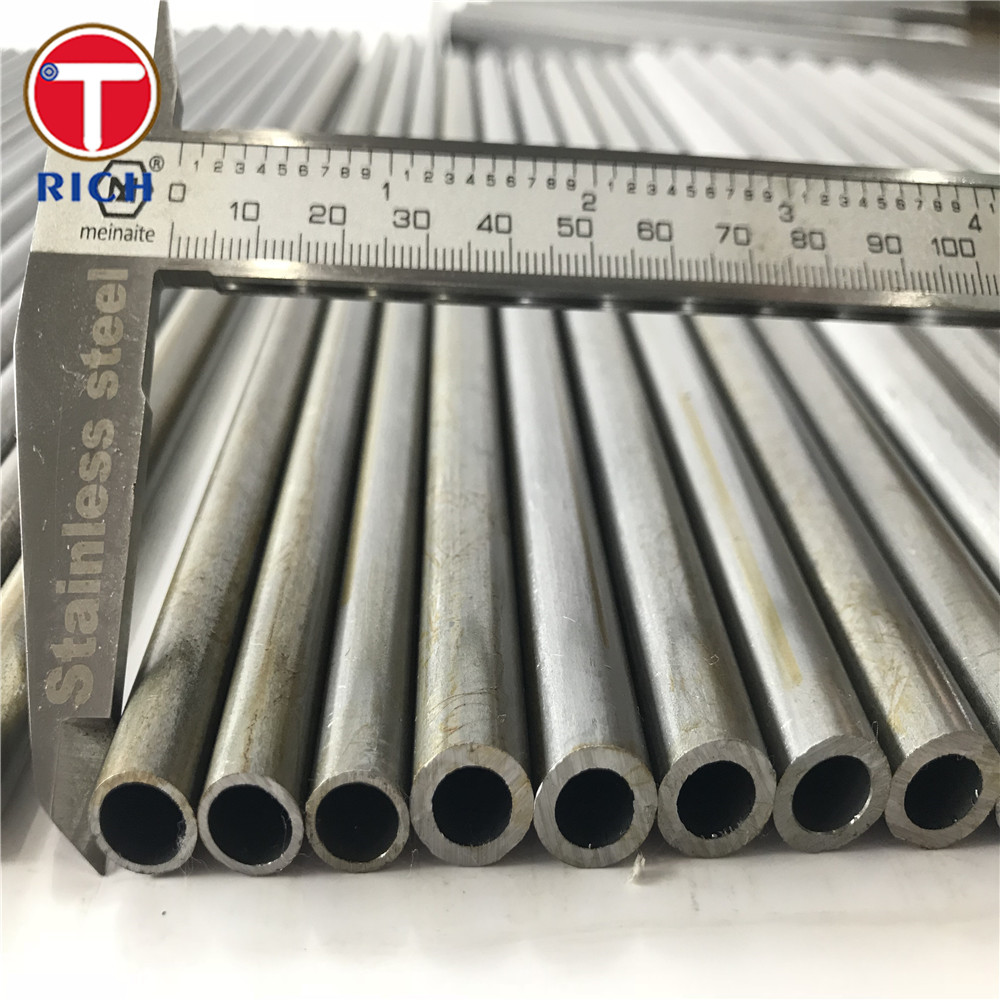
Seamless Stainless Steel tubes
Welded Stainless Steel Tubes
Seamless Stainless Steel Tubes & Pipes
Welded Stainless Steel Tubes & Pipes
Seamless Carbon Steel Tubes & Pipes
Nickel Alloy Steel Tubes & Pipes
https://www.youtube.com/watch?v=fDeS_4VT0Zw

Products Application:
Oil Cylinders Air Cylinder,
Automotive Cylinder Liners Boilers,
Pressure Vessels Shell & Heat Exchangers
Jack Lifting
Telescopic Systems
Pneumatic Cylinders
Agricultural Machineries
https://www.youtube.com/watch?v=I9nuGlQzDs4
Size range is:
O.D. 4-350mm, W.T. 0.5-30mm,
Length:
according to customer`s requirement and agreement
Steel Grade:
Carbon Steel Grade:
ST35.8, ST37.0, ST44, ST52; E155, E195, E215, E235, E275, E355; 195GH, P235GH, P265GH, P195TR1, P195TR2, P235TR1, P235TR2, P265TR1, P265TR2; SAE1010, SAE1020, SAE1026, SAE1035, SAE1045;
Carbon steel tube:
SA178, A179, A192, A210, SA213, SA214, etc.
Alloy Steel Grade:
T2, T5, T9, T11, T12, T17, T21, T22, T91,T92,
15Mo3,16Mo3, 13CrMo44;
SAE4130, SAE4140, 40Cr, 40Cr4, 10CrMo910, 12CrMo910, 11CrMo910,
25CrMo4, 35CrMo, 35CrMo4, 42CrMo4, 34CrMo4, 20MnV, 20MnV6,20CrMn;
Carbon steel tube:
A179,A192,A210,DIN17175,etc.
https://www.youtube.com/watch?v=53xiZads2Gs

Nickel Alloy Grade:
N02200/2201, N04400, N06600, N06601, N06625, N06852, N06219, N06690,
N08800/8810/8811, N08825, N08028, N08535, N08904, N08925, N08926, N010276, N06022, etc.
Austenitic/Super Austenitic Stainless Steel Grade:
304/304L, 316/316L, 314, 321, 347H, 316Ti, 316LMod, 317L/N, 310S, 253MA, 330, 904L, S31254, XM-19, etc.
Ferrite/Martensitic Stainless Steel Grade:
TP410, TP405, TP420, TP430, TP430Ti, TP403, TP409, TP444, TP439, TP446, etc.
Duplex/Super Duplex Stainless Steel Grade:
S31803, S32304, S31500, S32550, S32750, S32760, etc.
Corporate Culture:
We focus on Quality First, Quality Traceability, and Quality Stability! We focus on Customer First, People First, and Quality-Oriented! Success: First factory started in 1997, in the name of Haiyan Sanxin Steel Tube Co.,Ltd, now covers 50000 square meters of factory building, with more than 100employees, and over 45 million RBM assets. In 2008, we started the company of Torich International Co.,Ltd for international business and marketing. Welcome partners from all over the world for long term cooperation!
TORICH Target:
To be the No.1 One-Stop Purchase Platform, Preferred Vendor and Comprehensive Supplier for Steel Tubes,Steel Material, Steel Parts,CNC machinine parts, Automotive Parts
TORICH Vision:
-
Sell the Chinese Quality-Products Worldwide.
-
Marketing TORICH to worldwide, make TORICH to be the 1st option and priority for Foreign Cusomters purchasing from China.
-
Make TORICH and TIMELY to be a name and a fame worldwide.
-
Make TORICH and TIMELY to be a Respectable and Reliable company
TORICH Mission:
-
Make Customers to Purchase Easy from China.
-
Marketing Chinese Quality-Products worldwide.
-
Reduce Customers' Purchasing Costs and Risks to purchase from China.
-
Buy Globally, Sell Globally
TORICH Value:
-
Dependable and Honesty to our partners.
-
Non-Stop Study.
-
Dedicate to the jobe and Love the job.
-
100% passion.
-
Mutual Respect & Mutual Love.
-
Cooperation & Win-Win.
-
Realize Employee's Value, Serve Every Customer who Trust TORICH.