Which Type of Steel Pipe Cannot be Used for Drinking Water?
Steel pipes are commonly used in various applications, including plumbing systems. However, not all steel pipes are suitable for carrying drinking water. In this article, we will explore three questions regarding the types of steel pipes that should not be used for drinking water and provide answers to draw a conclusion.
Question 1: What are the potential risks associated with using the wrong type of steel pipe for drinking water?
Using the wrong type of steel pipe for drinking water can pose several risks. One significant concern is the potential for corrosion. Certain types of steel pipes may corrode over time when exposed to water, leading to the release of harmful substances into the drinking water. These substances can include heavy metals, such as lead or cadmium, which can have severe health implications when consumed.
Question 2: Which specific type of steel pipe should be avoided for drinking water applications?
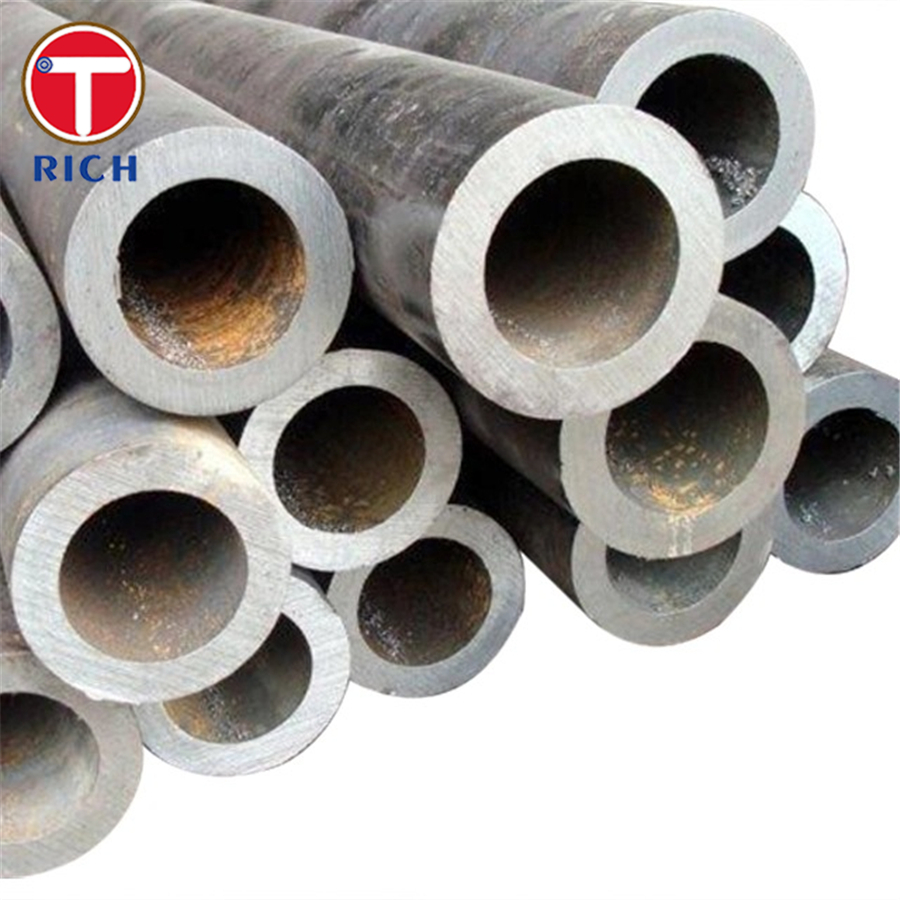
To ensure the safety of drinking water, it is crucial to avoid using galvanized steel pipes. Galvanized steel pipes are coated with a layer of zinc to protect against corrosion. However, over time, this zinc coating can deteriorate, leading to the release of zinc particles into the water. High levels of zinc in drinking water can cause adverse health effects, including nausea, vomiting, and gastrointestinal issues.
Question 3: What are the alternatives to using steel pipes for drinking water applications?
When it comes to carrying drinking water, there are alternative materials that are considered safer than steel pipes. One commonly used alternative is copper pipes. Copper pipes have been used for centuries and are known for their durability and resistance to corrosion. They also have antimicrobial properties, which can help maintain water quality.
Conclusion:
In conclusion, it is crucial to avoid using galvanized steel pipes for drinking water applications due to the potential risks associated with corrosion and the release of harmful substances. Instead, it is recommended to use alternative materials such as copper pipes, which are approved for carrying drinking water and offer better safety and durability. Prioritizing the use of appropriate materials ensures the delivery of clean and safe drinking water to households and helps protect public health.