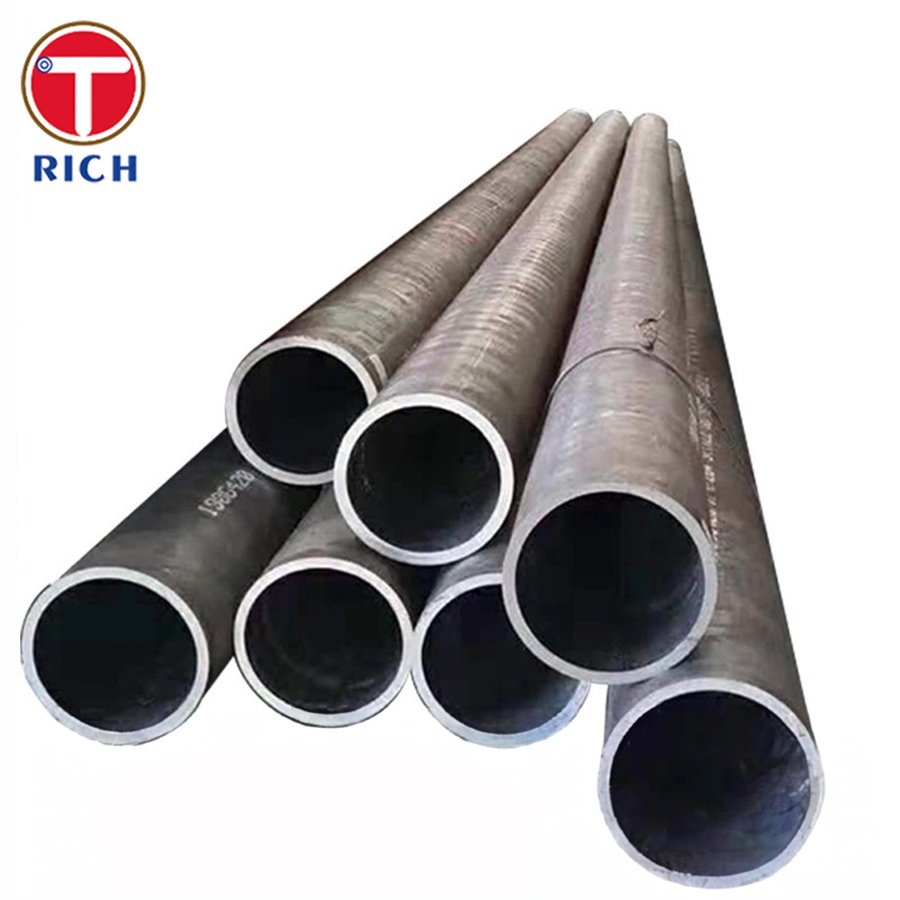
What Grade is Black Pipe?
Understanding the Grades of Black Pipe
1. What are the common grades of black pipe?
Black pipe, often used in gas and water lines, comes in various grades that denote its strength, durability, and application suitability. The most common grades include:
- A53 Grade A and B: These are the most widely used grades for black pipe. Grade A is typically used for low-pressure applications, while Grade B is used for higher pressure applications.
- A106 Grade B and C: These grades are often used in high-temperature and high-pressure environments. Grade B is more common, but Grade C offers higher tensile strength.
- API 5L: This grade is used for pipeline transportation systems in the petroleum and natural gas industries. It includes several sub-grades like X42, X52, X60, etc., each indicating different tensile strengths.
2. How do the grades affect the applications of black pipe?
The grade of black pipe significantly influences its application:
- A53 Grade A and B: These grades are suitable for general plumbing, heating, and air conditioning systems. Grade B, with its higher pressure tolerance, is often used in steam and water distribution systems.
- A106 Grade B and C: These grades are ideal for industrial applications requiring high-temperature resistance, such as in refineries and chemical plants. Grade C, with its higher tensile strength, is preferred in more demanding environments.
- API 5L: This grade is essential for long-distance pipeline transportation of oil and gas. The different sub-grades cater to varying pressure and environmental conditions, ensuring safe and efficient transport.
3. What factors should be considered when selecting the grade of black pipe for a project?
When selecting the appropriate grade of black pipe for a project, consider the following factors:
- Pressure Requirements: Higher grades like A106 Grade B and C or API 5L sub-grades are necessary for high-pressure applications.
- Temperature Conditions: For high-temperature environments, A106 grades are more suitable due to their enhanced heat resistance.
- Corrosion Resistance: While black pipe is generally not used in highly corrosive environments, the specific grade can impact its longevity and performance in mildly corrosive conditions.
- Cost and Availability: Higher grades typically come at a higher cost. Balancing the project's budget with the required performance is crucial.
Conclusion
Black pipe comes in various grades, each tailored to specific applications and environmental conditions. The most common grades include A53, A106, and API 5L, each offering different levels of strength, pressure tolerance, and temperature resistance. When selecting a grade, it is essential to consider the project's pressure and temperature requirements, potential for corrosion, and budget constraints. By understanding these factors, you can choose the most suitable grade of black pipe for your needs, ensuring safety, efficiency, and longevity in your piping systems.