Which is Stronger: Aluminum or Steel Tubing?
When it comes to choosing materials for construction, manufacturing, or various engineering applications, the debate between aluminum and steel tubing often arises. Both materials have their unique properties, advantages, and disadvantages. To determine which is stronger, we will explore three key questions.
Questions to Consider
- What are the tensile strengths of aluminum and steel tubing?
- How do weight and strength affect the performance of aluminum and steel tubing?
- What are the applications where one material is preferred over the other?
1. What are the tensile strengths of aluminum and steel tubing?
Tensile strength is a critical factor in determining the strength of a material.
- Aluminum Tubing: The tensile strength of aluminum varies depending on the alloy, but it generally ranges from 70 MPa (for softer alloys) to about 700 MPa (for high-strength alloys).
- Steel Tubing: Steel, particularly carbon steel, has a much higher tensile strength, typically ranging from 370 MPa to 700 MPa for mild steel, and can exceed 1,200 MPa for high-strength steel alloys.
Conclusion: Steel tubing generally has a higher tensile strength than aluminum tubing, making it stronger in terms of resistance to being pulled apart.
2. How do weight and strength affect the performance of aluminum and steel tubing?
Weight plays a significant role in the performance of materials, especially in applications where reducing weight is crucial.
- Aluminum Tubing: Aluminum is significantly lighter than steel, with a density of about 2.7 g/cm³ compared to steel's 7.85 g/cm³. This lower weight can be advantageous in applications like aerospace, automotive, and portable structures where reducing weight is essential.
- Steel Tubing: While steel is heavier, its higher strength allows for thinner walls and less material to achieve the same strength as aluminum, potentially offsetting some weight disadvantages.
Conclusion: While aluminum is lighter, steel's higher strength can allow for more efficient designs, making the choice dependent on the specific requirements of the application.
3. What are the applications where one material is preferred over the other?
Different applications may favor one material over the other based on their unique properties.
- Aluminum Tubing Applications: Aluminum is often used in aerospace, automotive, and marine applications where weight savings are critical. It is also favored in applications requiring corrosion resistance, such as in outdoor structures and equipment.
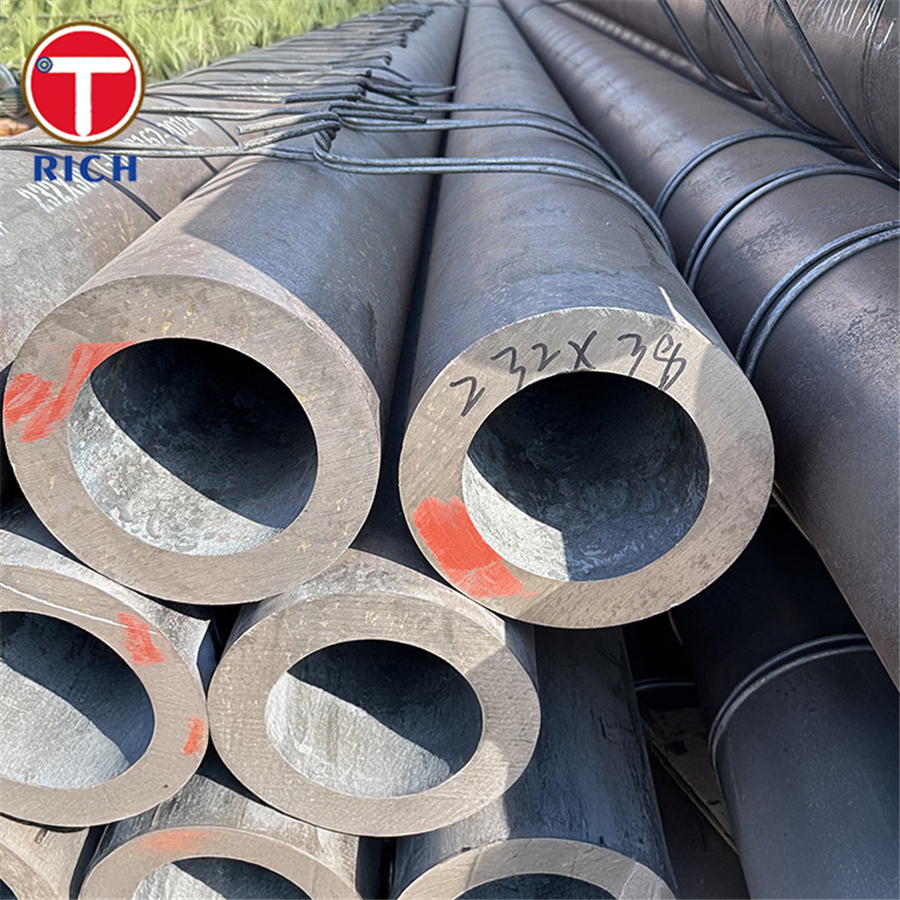
- Steel Tubing Applications: Steel is commonly used in construction, heavy machinery, and structural applications where strength and durability are paramount. It is also preferred in applications that require resistance to impact and fatigue.
Conclusion: The choice between aluminum and steel tubing often comes down to the specific requirements of the application, including weight, strength, and environmental conditions.