Which Grade Steel Pipe is Used in Fire Fighting?
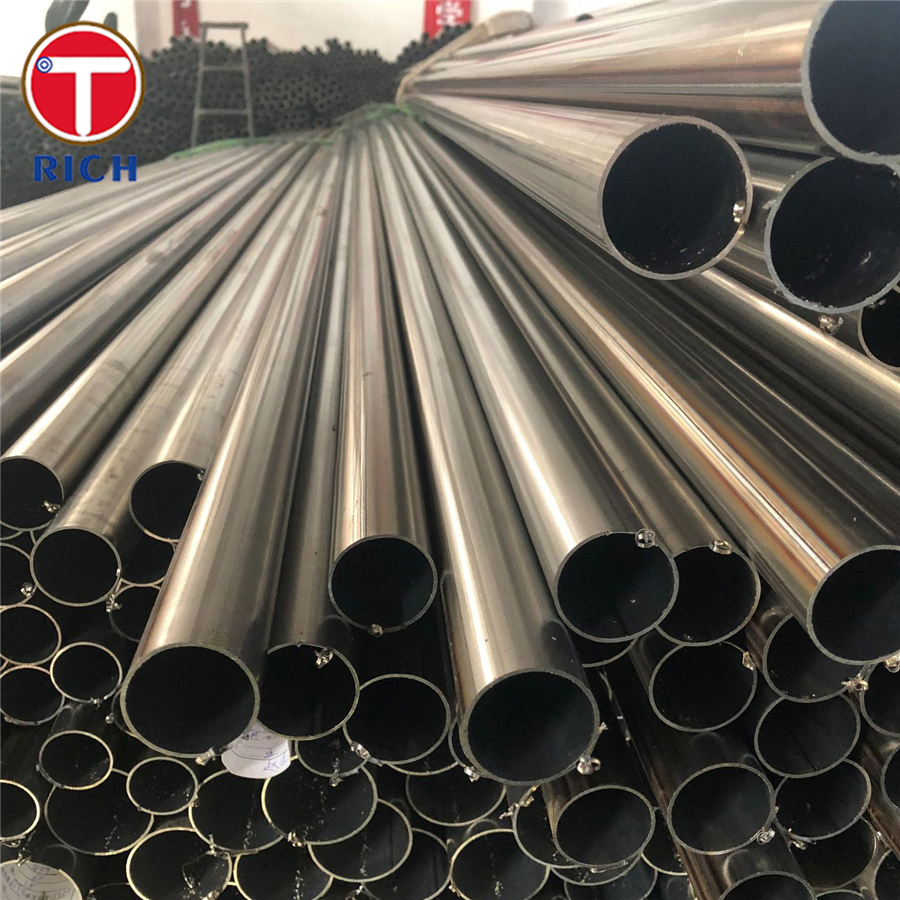
Fire fighting systems are critical for ensuring safety in buildings and infrastructure. One of the essential components of these systems is the piping used to transport water or other fire suppression agents. The grade of steel pipe selected for fire fighting applications can significantly impact the system's effectiveness and durability. In this article, we will explore the grades of steel pipes commonly used in fire fighting and answer some key questions related to their selection.
Key Questions
1. What are the common grades of steel pipes used in fire fighting systems?
In fire fighting applications, the most commonly used steel pipe grades are:
-
ASTM A53: This is a standard specification for pipe intended for mechanical and pressure applications. It is available in three grades: A, B, and C, with Grade B being the most commonly used for fire protection systems due to its higher yield strength.
-
ASTM A795: This specification covers black and galvanized steel pipe for fire protection use. It is specifically designed for fire sprinkler systems and is available in two grades: Grade A and Grade B, with Grade B being the preferred choice for its strength and durability.
-
ASTM A106: This specification is for seamless carbon steel pipe for high-temperature service. While not as common as A53 or A795, it may be used in specific applications where high temperatures are a concern.
2. Why is the grade of steel pipe important in fire fighting systems?
The grade of steel pipe is crucial for several reasons:
-
Strength and Durability: Higher-grade pipes, such as ASTM A53 Grade B, offer better tensile strength and resistance to pressure, which is vital for withstanding the high demands of fire fighting.
-
Corrosion Resistance: Fire fighting systems can be exposed to various environmental conditions. Using galvanized pipes (like ASTM A795) can help prevent corrosion, ensuring the longevity and reliability of the system.
-
Compliance with Standards: Fire fighting systems must comply with local and national codes. Using the appropriate grade of steel pipe ensures that the system meets these regulations, which is essential for safety and insurance purposes.
3. How do you choose the right grade of steel pipe for a specific fire fighting application?
Choosing the right grade of steel pipe involves several considerations:
-
Application Requirements: Assess the specific requirements of the fire fighting system, including pressure ratings, temperature conditions, and the type of fire suppression agents used.
-
Local Codes and Standards: Consult local building codes and fire safety regulations to ensure compliance with the required specifications for fire fighting systems.
-
Consulting Experts: Engaging with fire protection engineers or professionals can provide valuable insights into the best materials and grades for specific applications.
-