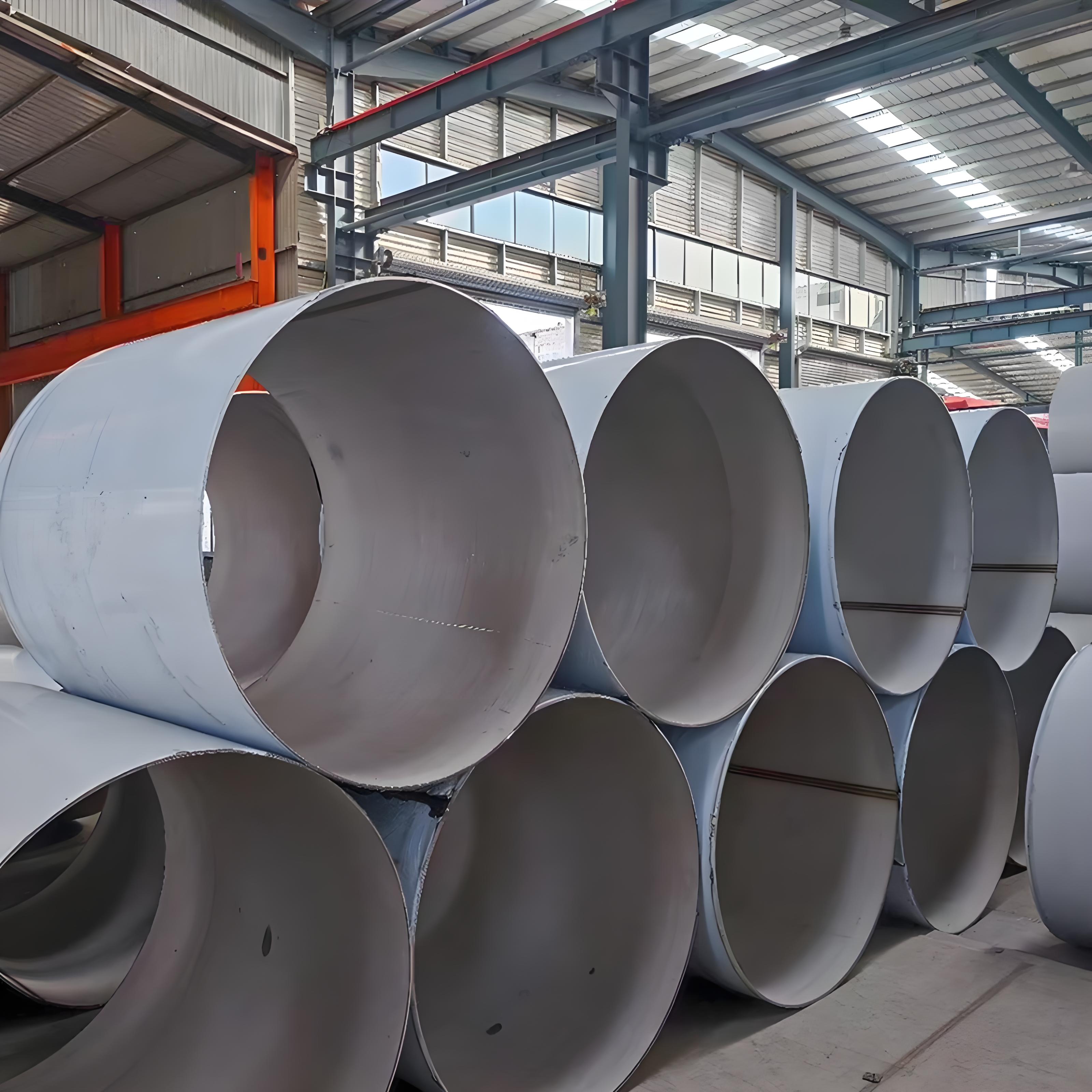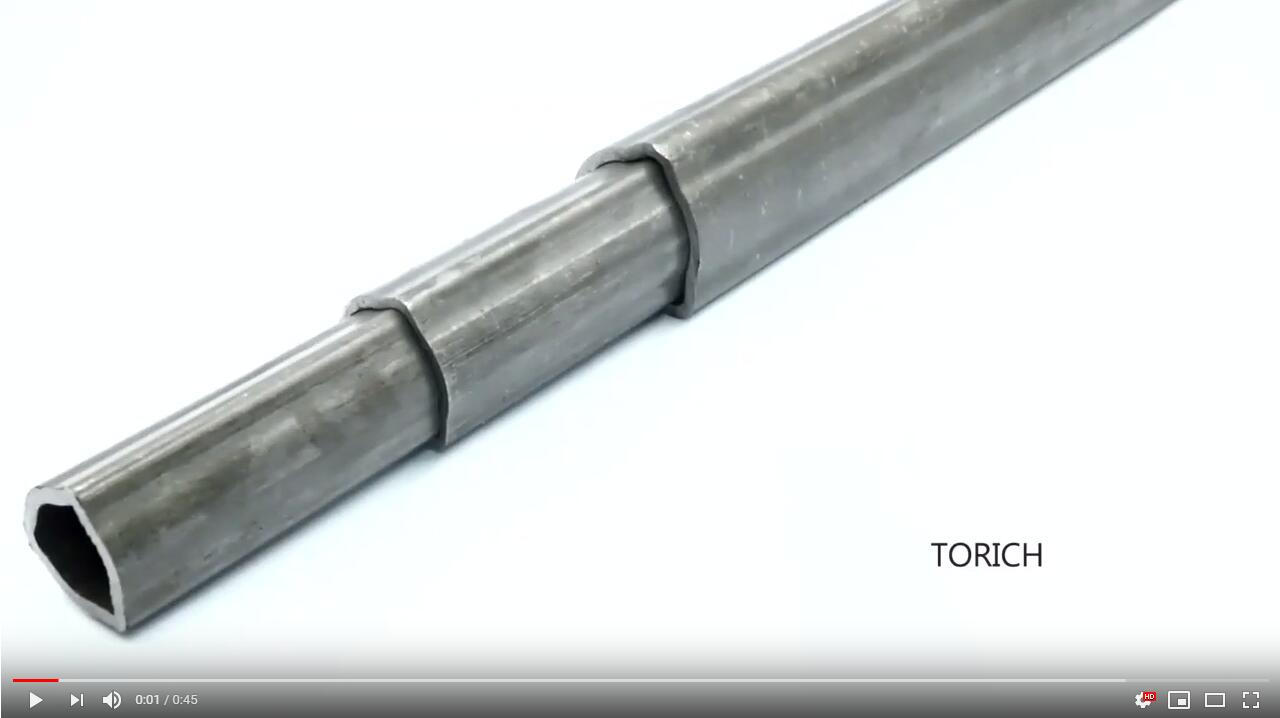
Thin wall pipe is typically a steel pipe with a thin wall thickness relative to its outer diameter. It's defined by the ratio of wall thickness to pipe diameter. Generally, a ratio less than 10% is considered a thin-wall pipe. Specific standards vary slightly by industry and application scenario.
What is thin wall pipe ?
Thin-wall pipes (pipes with a wall thickness significantly smaller than their diameter) are widely used in numerous industrial and consumer applications due to their advantages, including lightweight design, material savings, good structural efficiency (a high strength-to-weight ratio), and relatively low manufacturing costs.
Thin-wall pipes are made from a variety of materials, including both metallic and non-metallic ones.
- Metals: Carbon steel, stainless steel, alloy structural steel, aluminum and aluminum alloys, copper and copper alloys, etc.
- Non-metals: Plastics include PVC, PE, PP, composite materials made of two or more materials (such as glass fiber + resin, carbon fiber + plastic), which combine high strength and lightweight, and ceramics.
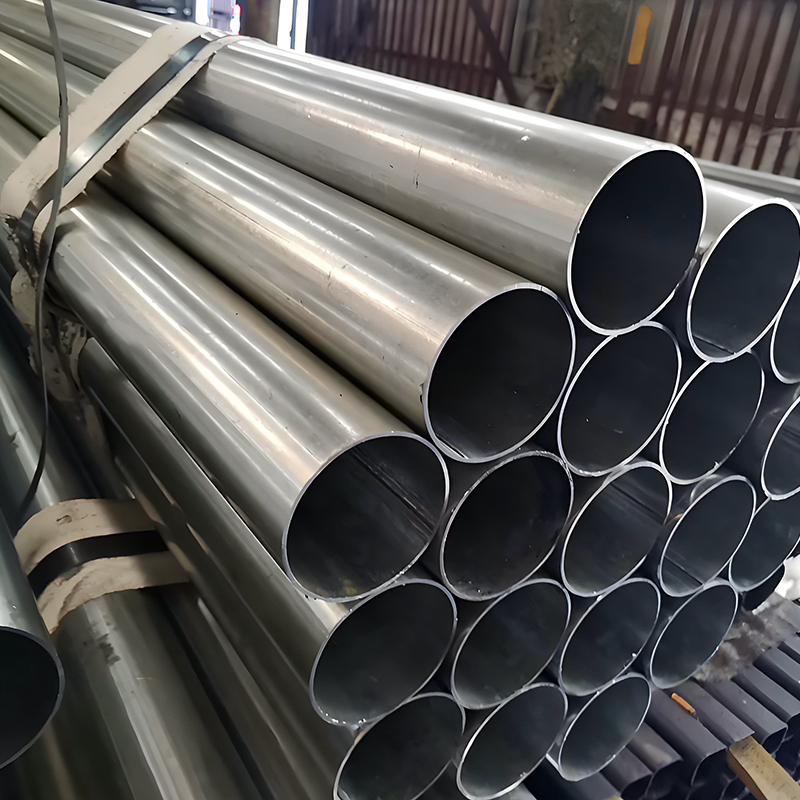
What are the applications of thin wall pipe?
I. Structural Frames and Supports:
- Aerospace: Aircraft fuselage frames, wing ribs, landing gear components, rocket body structures, satellite mounts, etc. Lightweighting is a key requirement.
- Automotive: Chassis frames (subframes), roll cages, seat frames, engine mounts, exhaust system hooks, new energy vehicle battery pack frames, etc. Used to reduce weight and improve fuel economy or range.
- Bicycles and Motorcycles: Core structural components such as frames, front forks, and handlebars. Lightweight and rigidity are sought.
- Architecture and Construction: Scaffolding pipes (commonly used), lightweight building structures (such as greenhouses, sunrooms, and canopies), handrails, guardrails, temporary structural supports, etc.
- Furniture: Frame structures for chairs, tables, shelves, bed frames, etc. Aesthetically pleasing, lightweight, and low-cost.
II. Fluid Transportation:
- HVAC: Refrigerant piping, condenser pipes, and ventilation ducts (spiral ducts).
- Automotive: Fuel lines, brake lines, hydraulic lines (power steering, clutch), coolant lines.
- Industrial Equipment: Compressed air lines, lubrication system lines, hydraulic control system lines (requires certain pressure resistance).
- Medical Devices: Respirator lines, dialysis machine lines, and IV lines (some types).
- Home Appliances: Washing machine and dishwasher inlet and outlet pipes, refrigerator refrigeration lines.
III. Heat Exchange:
Heat exchangers are the core components of heat exchangers (such as condensers, evaporators, radiators, and intercoolers). They exchange heat between hot and cold fluids flowing inside or outside the tubes. They require excellent thermal conductivity and corrosion resistance (commonly used are copper, aluminum, and stainless steel thin-walled tubes).
IV. Enclosures and Protection:
- Electrical and Electronics: Protective tubing for wires and cables (metal hoses, PVC/PVC pipes), busbar enclosures, and support frames for equipment cabinets.
- Mechanical: Protective tubing for precision instruments or circuits, and pneumatic/hydraulic cylinders (some types).
V. Sports Equipment and Leisure Products:
Golf club shafts, fishing rod bodies, tent poles, flagpoles, and some fitness equipment (such as elliptical trainer armrests). These utilize their lightweight and moderate bending/torsion properties.
VI. Medical Applications:
Endoscopes, catheters (partial structures), components for orthopedic implants (such as intramedullary nails), and medical device brackets. These require extremely high precision, biocompatibility, and cleanliness.
Conclusion
In summary, the core advantages of thin wall tubing lie in its lightweight, material and space efficiency, good formability, and relatively low cost. Therefore, thin-walled tubing is often an ideal choice for applications where absolute load-bearing capacity (such as high pressure or heavy loads) is not critical, but where weight, cost, or space requirements are high. The specific material (steel, stainless steel, aluminum, copper, titanium, plastic, etc.) is selected based on the application environment (such as pressure, temperature, corrosion resistance, conductivity, and cost).